FREE Delivery Across the UK & Ireland


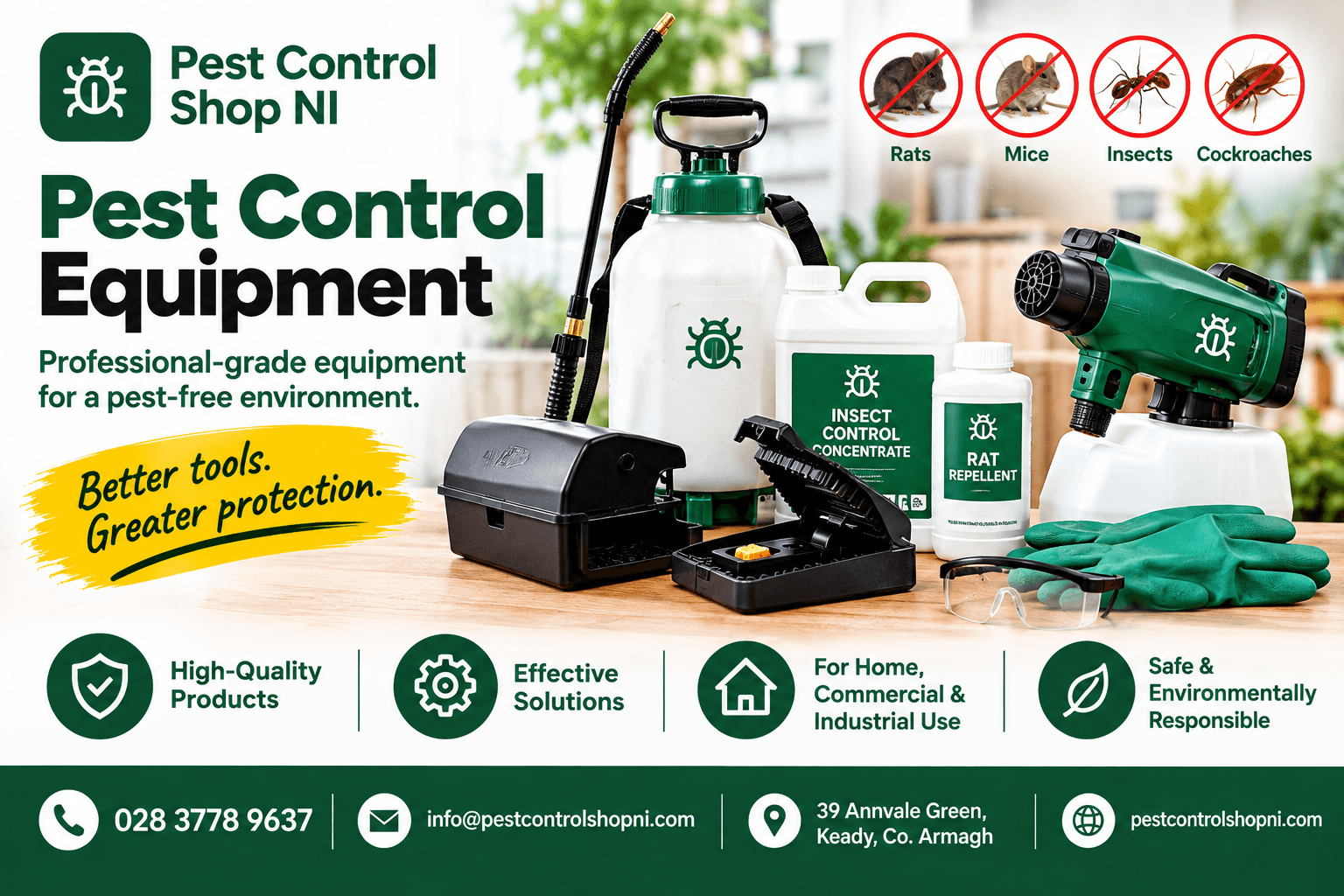
Professional pest controllers use a wide range of pest control equipment to identify, monitor and manage pest problems safely and effectively. The equipment they choose depends on the type of pest, the property, the level of infestation and the surrounding environment.
Rather than relying on one product, professional pest management generally involves a combination of inspection, monitoring, trapping, proofing and control methods. The British Pest Control Association (BPCA) describes this as an integrated approach, where monitoring equipment can help identify entry points, infestation levels and pest harbourage before the most appropriate control method is selected.
So, what equipment do professional pest controllers actually use? Here are some of the most common types.
What Is Professional Pest Control Equipment?
Professional pest control equipment includes tools and devices used to detect, monitor, trap and control pests.
Depending on the job, a pest controller may use:
- Rat and mouse traps
- Rodent monitoring stations
- Electronic monitoring devices
- Insect light traps and electric fly zappers
- Glueboard insect monitors
- Bed bug monitoring traps
- Inspection tools
- Protective clothing and PPE
- Sprayers and application equipment
- Proofing and exclusion materials
- Specialist lures and baits
- Digital reporting and monitoring systems
The equipment is normally selected according to the pest and the conditions found during an inspection.
What Equipment Is Used for Rats and Mice?
Rodent control is one of the most common areas of professional pest management.
Professional pest controllers can use a variety of traps and monitoring systems, including traditional break-back traps, spring traps, live-capture traps and digitally monitored devices. BPCA research has identified break-back traps as one of the most frequently used non-chemical rodent-control options among pest professionals.
Rat and Mouse Traps
Snap or break-back traps are widely used for rodents. They can be positioned in suitable areas where signs of rodent activity have been identified.
Other options include enclosed traps, multi-catch traps and electronic or digitally enabled devices.
The right choice depends on factors such as:
- The type of rodent
- Where activity has been detected
- Whether children or pets could access the area
- Whether the location is commercial or domestic
- The level of rodent activity
- Monitoring requirements
Professional pest controllers don’t simply place a trap wherever they see a rat or mouse. Placement, access, safety and monitoring are all important.
Rodent Monitoring Stations
Monitoring stations can help technicians establish whether rodents are active in particular areas.
They can also help protect traps or monitoring materials from accidental access while providing a more organised way of managing a pest control programme.
For larger commercial properties, digital monitoring systems can provide additional information. Some modern systems can send real-time trap status information to pest control professionals, reducing the need for unnecessary visits and helping technicians respond when activity is detected.
What Equipment Is Used for Flying Insects?
Flying insects such as flies can be particularly problematic in restaurants, food businesses, warehouses, shops and other commercial premises.
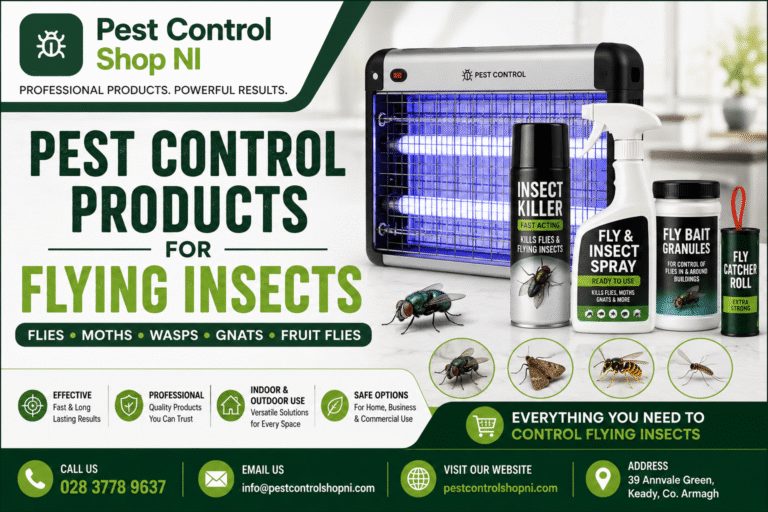
One of the most recognisable pieces of equipment used for flying insect control is the electric fly zapper, also known as an insect light trap or electric fly killer.
These units use light to attract flying insects and then either trap or kill them, depending on the design.
Electric Fly Zappers and Insect Light Traps
Professional insect light traps can serve several purposes.
They can help:
- Monitor flying insect activity
- Reduce flying insect numbers
- Identify changes in insect activity
- Provide evidence for pest management reports
- Highlight areas that may require further investigation
BPCA guidance explains that insect light traps can be used as monitoring tools, particularly in sensitive environments such as food production and hospitality. Glueboard-style traps can also provide useful information by allowing technicians to record insect catches over time.
For businesses dealing with recurring fly problems, selecting the correct commercial fly zapper is therefore about more than simply buying the most powerful unit.
What Are Glueboards and Insect Monitors?
Glueboards are another important part of professional pest control equipment.
They can be used inside insect light traps or monitoring devices to capture insects for inspection and counting.
Insect monitors may also use species-specific lures or pheromones to help detect particular pests.
For example, professional bed bug monitoring traps can be used to confirm activity, monitor treatment results and check for potential reinfestation.
Monitoring is important because professional pest control is not simply about killing pests. Technicians also need to understand where pests are coming from, how active they are and whether control measures are working.
Do Professional Pest Controllers Use Inspection Equipment?
Yes. Inspection is a major part of professional pest management.
Before choosing control equipment, technicians need to identify signs of pest activity.
Depending on the job, inspection equipment can include:
- Torches
- Inspection mirrors
- Magnifying equipment
- Moisture meters
- Cameras
- Endoscopes or inspection cameras
- Tracking and monitoring materials
- Measuring equipment
These tools can help identify cracks, voids, harbourage areas, entry points and other conditions that may contribute to an infestation.
A good inspection can prevent unnecessary treatment because it allows the pest controller to focus equipment and control measures where they are most likely to be effective.
What Protective Equipment Do Pest Controllers Use?
Personal protective equipment (PPE) is another important part of professional pest control work.
Depending on the task and risk assessment, PPE can include:
- Protective gloves
- Safety footwear
- Protective clothing
- Eye protection
- Respiratory protection where appropriate
- Disposable protective equipment
The exact PPE required depends on the work being carried out and the associated risks. Northern Ireland workplace guidance also emphasises providing appropriate protective equipment where risks cannot otherwise be adequately controlled.
PPE is particularly important when technicians are dealing with contaminated areas, rodent activity, pest debris or certain pest control products.
What Spraying Equipment Do Professionals Use?
For some pest problems, professional technicians may use specialist application equipment.
Depending on the treatment, this can include:
- Hand compression sprayers
- Low-pressure sprayers
- ULV equipment
- Specialist application devices
- Fogging equipment for appropriate professional applications
The equipment must be selected for the treatment, environment and product being used.
Professional application is not simply about having a sprayer. Technicians need to understand where an application is appropriate, how the equipment should be used and what precautions are necessary.
What Equipment Is Used for Bed Bugs?
Bed bug control can require specialist inspection and monitoring equipment.
Professionals may use:
- Bed bug monitoring traps
- Detection tools
- Inspection lights
- Mattress and furniture inspection equipment
- Heat-treatment equipment for suitable situations
- Protective equipment
- Specialist treatment application equipment
Monitoring is particularly useful because bed bugs can be difficult to detect during a visual inspection alone.
Professional pest controllers may use monitoring devices to confirm activity and assess whether an infestation has returned following treatment.
What About Pest Proofing Equipment?
Control equipment is only one part of professional pest management.
Pest proofing is also important because eliminating an infestation without addressing the reason pests entered the property can allow the problem to return.
Professional pest controllers may use materials and tools for sealing:
- Holes
- Cracks
- Gaps around pipes
- Door gaps
- Ventilation openings
- Roof and wall entry points
- Other potential pest access routes
For rodents in particular, identifying and addressing entry points can be an important part of a long-term control strategy.
How Has Pest Control Equipment Changed?
Pest control equipment has become increasingly focused on monitoring, data and prevention rather than simply applying a treatment.
Digital rodent traps, connected monitoring systems and intelligent insect monitoring devices are examples of this development.
Some systems can provide technicians with real-time information about trap activation or insect activity. Digital insect monitoring can also establish activity thresholds and provide alerts when intervention may be required.
This can make commercial pest management more efficient because technicians have better information about what is happening between scheduled visits.
What Pest Control Equipment Does a Professional Need?
There is no single equipment list that every pest controller needs.
A technician working mainly with domestic mice may require a different toolkit from someone managing pest problems in restaurants, warehouses or food manufacturing facilities.
However, a professional pest control equipment kit will commonly include a combination of:
| Equipment | Common use |
| Rat traps | Rodent control |
| Mouse traps | Mouse control |
| Monitoring stations | Detecting rodent activity |
| Electric fly zappers | Flying insect control |
| Glueboard insect traps | Monitoring flying insects |
| Bed bug monitors | Detecting bed bug activity |
| Inspection equipment | Finding pest activity and entry points |
| PPE | Technician safety |
| Sprayers | Suitable professional treatments |
| Proofing materials | Preventing pest entry |
| Digital monitoring systems | Remote monitoring and reporting |
Why Is Choosing the Right Equipment Important?
The best pest control equipment is not necessarily the most expensive equipment.
It needs to be suitable for the pest, location and control strategy.
For example, a commercial kitchen may benefit from carefully positioned insect light traps and ongoing monitoring, while a warehouse with rodent activity may require a combination of rodent monitoring stations, traps and proofing.
For businesses looking for professional pest control equipment, Pest Control Shop NI can be a useful option when comparing equipment for rodent and flying-insect control.
The key is to choose equipment based on the actual pest problem rather than simply buying products because they are popular or inexpensive.
Can Businesses Use Professional Pest Control Equipment?
Some pest control equipment is suitable for businesses to purchase and use as part of routine pest prevention and monitoring.
However, businesses should understand the difference between monitoring equipment and professional pest treatment.
A restaurant, warehouse or shop can use suitable monitoring devices and insect light traps as part of a wider pest management programme. Where a significant infestation exists, however, professional assessment may be required to identify the source and determine the appropriate control strategy.
Professional pest management increasingly combines monitoring, trapping, proofing, hygiene and targeted control rather than relying on one product.
Final Thoughts
Professional pest controllers use a broad range of equipment because different pests require different approaches.
Rat traps, mouse traps, electric fly zappers, insect monitors, bed bug traps, inspection tools, PPE, sprayers and digital monitoring systems can all have a role in modern pest management.
The most effective approach is usually not about finding one “best” piece of equipment. It is about selecting the right equipment for the pest, environment and level of activity, while combining monitoring, prevention and control.
For anyone sourcing pest control equipment for domestic or commercial use, Pest Control Shop NI provides a range of equipment that can help with common pest management requirements. Professional-quality equipment, when selected and used appropriately, can make pest monitoring more organised, improve control decisions and help businesses maintain a cleaner and more pest-resistant environment.
Frequently Asked Questions
What is the most common pest control equipment?
Common equipment includes rodent traps, monitoring stations, insect light traps, glueboards, inspection tools, PPE and application equipment. The exact toolkit varies according to the pest and environment.
What equipment is used to catch rats?
Professionals may use break-back traps, spring traps, live-capture traps, enclosed traps and digitally monitored trapping devices. BPCA research identifies break-back traps as one of the most widely used non-chemical rodent-control options.
What equipment is used for flies?
Electric fly zappers and insect light traps are commonly used to monitor or control flying insects. Glueboard units can also provide useful information about insect activity over time.
Do pest controllers use electronic traps?
Yes. Electronic and digitally connected trapping systems are increasingly available for rodent monitoring. Some can report trap activity remotely, helping technicians monitor sites without checking every device manually.
Is pest control equipment enough to solve an infestation?
Not always. Equipment is only one part of an effective pest management strategy. Identifying the pest, locating harbourage and entry points, improving hygiene where necessary, monitoring activity and selecting appropriate control measures are all important.