FREE Delivery Across the UK & Ireland


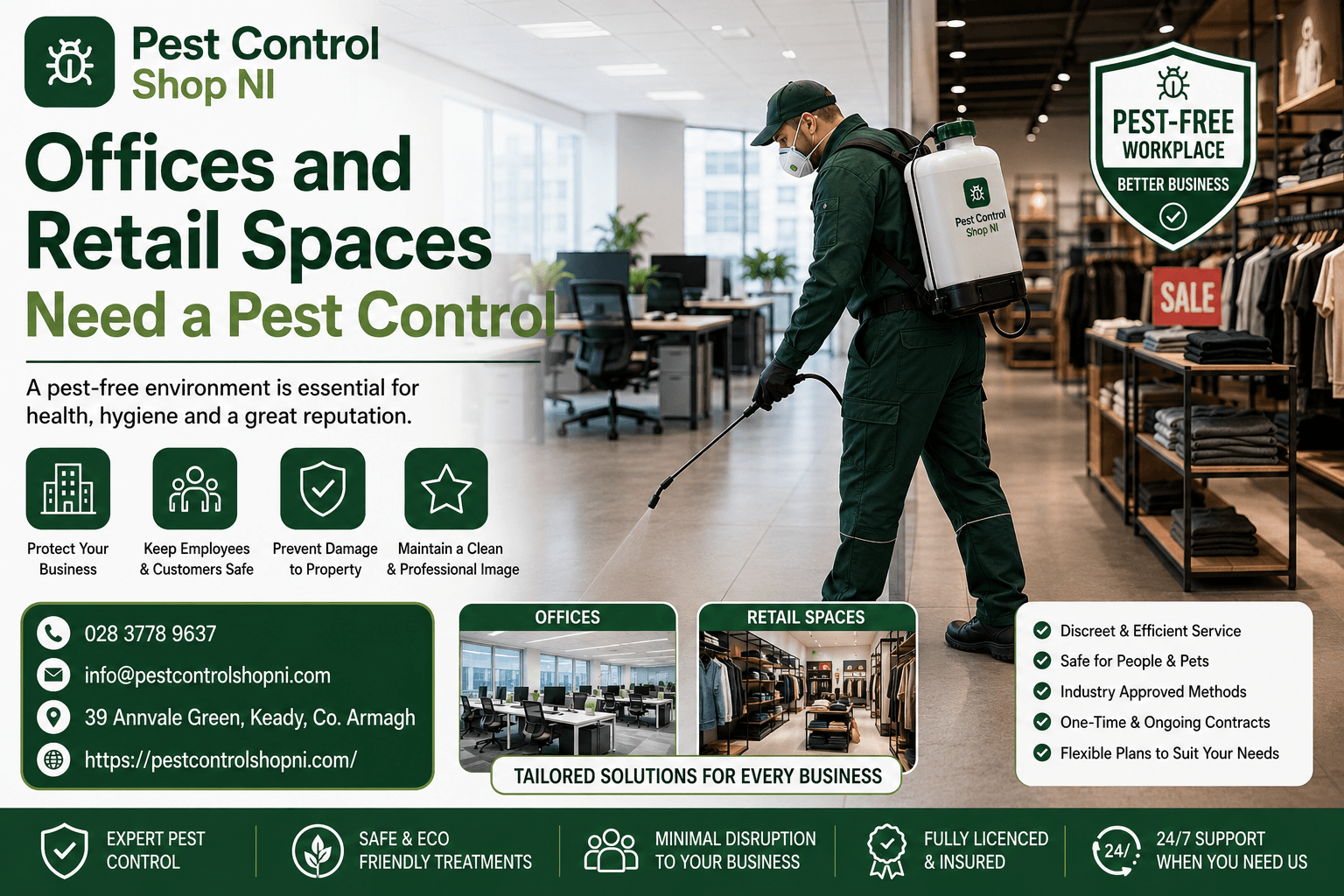
When people think about pest control, they often picture kitchens, restaurants, or warehouses. But offices and retail spaces are just as vulnerable to pest problems, and often less prepared for them. A single sighting of a mouse in a stockroom or a fly infestation near a reception desk can quickly damage a business’s reputation, disrupt daily operations, and create real health and safety concerns.
A reactive approach, dealing with pests only after they’ve become a visible problem, is rarely enough. This article explains why offices and retail businesses benefit from having a proactive pest control plan in place, and what that plan should typically include.
Why Offices and Retail Spaces Are at Risk
It’s a common misconception that pests are only attracted to food businesses. In reality, offices and retail spaces offer plenty of conditions pests are drawn to:
- Food waste and break rooms – staff kitchens, vending machines, and bins can attract ants, flies, and rodents
- Storage areas – stockrooms and storage cupboards provide dark, undisturbed spaces where pests can nest
- High foot traffic – frequent deliveries and customer footfall increase the chances of pests being brought in
- Building access points – older or larger commercial buildings often have multiple entry points, gaps, and ventilation systems pests can exploit
- Seasonal changes – as temperatures drop, rodents and insects often seek shelter indoors, making commercial premises an appealing option
Without a plan in place, these risk factors can go unnoticed until a pest problem becomes visible, and by that point, it’s often more difficult and costly to resolve.
The Real Cost of Pest Problems in Commercial Spaces
Reputational Damage
For retail businesses in particular, reputation is everything. A customer who spots a mouse, sees insect activity near products, or notices droppings in a stockroom is unlikely to return, and may share their experience publicly or online. In an office environment, visible pest issues can affect client confidence during meetings or visits, and impact staff morale.
Health and Hygiene Concerns
Pests such as rodents, cockroaches, and flies can carry bacteria and contaminate surfaces, packaging, and stock. In shared office environments, this raises genuine hygiene and health concerns for staff, particularly in break rooms and communal kitchen areas.
Property and Stock Damage
Rodents are well known for gnawing through cables, insulation, packaging, and even structural materials. In an office setting, this can mean damaged IT equipment or electrical wiring. In retail spaces, it can mean damaged stock, which translates directly into financial loss.
Regulatory and Compliance Risks
Depending on the nature of the business, pest infestations can also create compliance issues, particularly where food is sold, stored, or prepared on-site, or where health and safety inspections are a routine part of operations.
Operational Disruption
Dealing with an active infestation often means closing off affected areas, arranging emergency treatment, and in some cases, temporarily closing all or part of a premises. This kind of disruption is far more costly, in both time and money, than ongoing preventative measures.
What a Pest Control Plan Should Include
A proactive pest control plan doesn’t need to be complicated, but it should be consistent and tailored to the specific risks of your premises.
Regular Inspections
Routine checks of common risk areas, such as break rooms, storage areas, loading bays, and entry points, help identify early signs of pest activity before it develops into a larger problem. This might include checking for droppings, gnaw marks, nesting material, or insect activity.
Preventative Equipment
Installing preventative equipment, such as discreet bait stations, insect monitoring traps, or fly control units in relevant areas, helps catch pest activity early and can deter pests from settling in the first place.
Staff Awareness
Employees are often the first to notice signs of a pest problem, whether that’s an unusual smell, droppings, or an insect sighting. Ensuring staff know what to look out for, and who to report it to, helps issues get addressed quickly.
Sealing Entry Points
Identifying and sealing potential entry points, such as gaps around doors, windows, vents, and utility lines, reduces the opportunity for pests to enter the building in the first place.
Waste Management Procedures
Clear procedures for food waste disposal, bin storage, and cleaning schedules in break rooms and kitchen areas can significantly reduce the factors that attract pests in the first place.
A Response Procedure
Even with strong preventative measures in place, it’s important to have a clear plan for what happens if a pest issue is identified, including who is responsible for arranging treatment and how quickly action needs to be taken.
Retail-Specific Considerations
Retail environments carry some additional considerations due to the volume of stock, deliveries, and customer footfall involved:
- Stockroom monitoring is particularly important, as pests are often drawn to storage areas before they’re noticed in customer-facing spaces
- Delivery checks can help prevent pests being introduced via packaging or pallets
- Seasonal stock storage, such as stored decorations or packaging materials kept for extended periods, can create ideal nesting conditions if not regularly checked
Office-Specific Considerations
Office environments have their own set of risk factors to manage:
- Shared kitchen and break areas often see inconsistent cleaning habits across staff, increasing pest attraction
- Storage cupboards and archive rooms can go unchecked for long periods, creating undisturbed spaces for pests to nest
- Flexible or hybrid working patterns can mean parts of a building are used less consistently, making early signs of pest activity easier to miss
Building Pest Control into Routine Operations
The most effective pest control plans aren’t a one-off treatment, but an ongoing part of how a premises is managed. This might mean scheduling regular checks alongside other routine maintenance tasks, keeping a simple record of any pest sightings or concerns raised by staff, and reviewing preventative measures periodically as the business or premises changes.
Investing in the right equipment from the outset, such as discreet bait stations for stockrooms or electric fly control units for kitchen and break areas, makes it far easier to maintain this kind of consistent, low-effort approach to pest prevention.
How Pest Control Shop NI Can Help
At Pest Control Shop NI, we supply a wide range of professional-grade pest control products suited to offices, retail spaces, and other commercial environments across Belfast and Northern Ireland. From discreet rodent bait stations to fly control units designed for busy commercial spaces, we can help you put together the right equipment for an effective, ongoing pest control plan.
Get in touch with our team to discuss the right products for your premises, or browse our full range online.