FREE Delivery Across the UK & Ireland


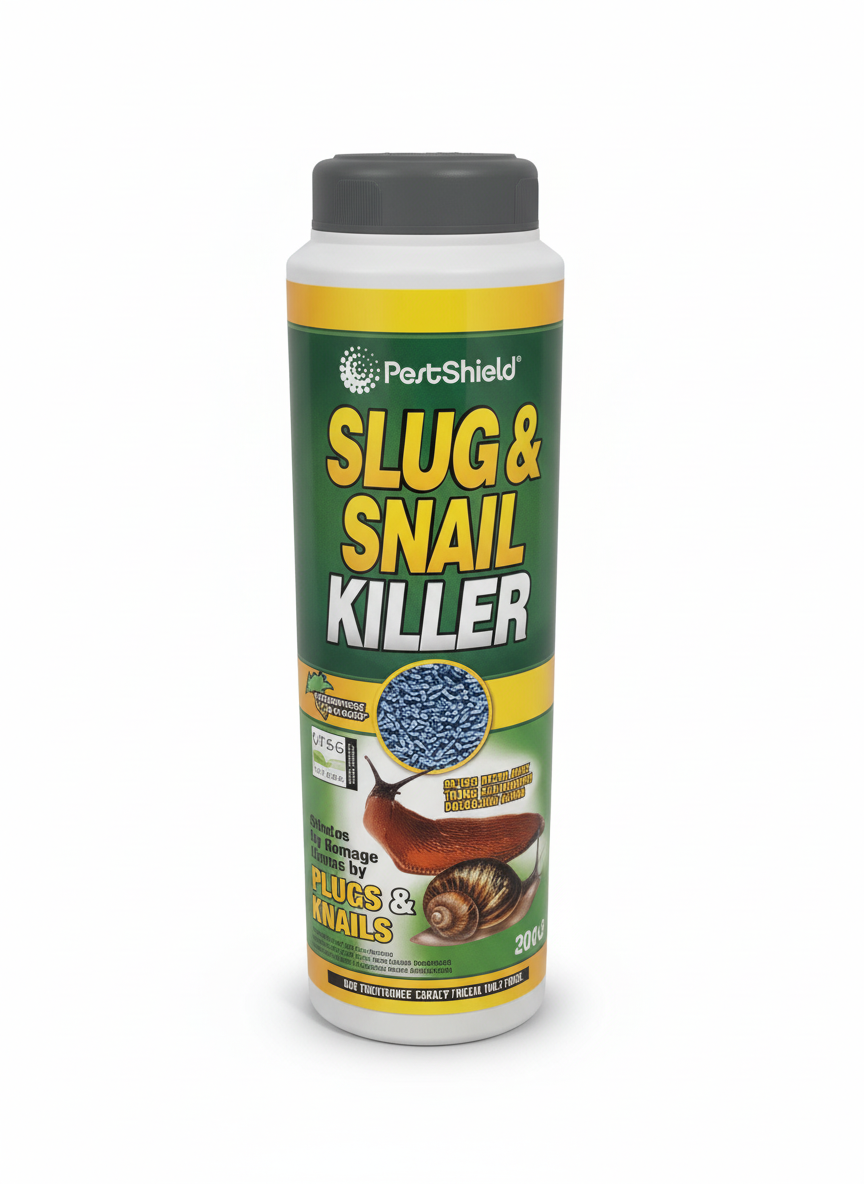
Slugs and snails can quickly become a problem in gardens across Northern Ireland. They are particularly attracted to damp, sheltered areas and can cause significant damage to young plants, vegetables, flowers and newly planted seedlings.
Northern Ireland’s generally cool and wet conditions can create an environment where slugs and snails thrive. Fortunately, there are several practical ways to reduce their numbers and protect your plants.
From improving garden conditions to choosing suitable slug & snail control products, combining prevention with targeted control is usually the most effective approach.
Why Are Slugs and Snails a Problem?
Slugs and snails are most active when conditions are cool and moist, particularly during the evening and overnight. They feed on a wide range of plants and can leave behind irregular holes, damaged leaves and characteristic trails of slime.
Young plants are especially vulnerable. A small number of slugs can cause considerable damage to seedlings because they may consume tender leaves and stems overnight.
Common signs of slug and snail activity include:
- Holes or ragged edges on leaves
- Damage to young seedlings
- Silver or shiny slime trails
- Plants disappearing overnight
- Damage to vegetables such as lettuce, cabbage and courgettes
- Slugs or snails hiding underneath pots, stones and garden debris
Identifying the problem early can make slug & snail control much easier.
1. Remove Hiding Places
One of the simplest ways to reduce slug and snail activity is to make your garden less attractive to them.
During the day, slugs and snails look for cool, dark and damp places to shelter. Remove unnecessary garden debris, fallen leaves, boards, piles of grass and other materials where they can hide.
Check underneath:
- Plant pots
- Garden furniture
- Stones and paving
- Wooden boards
- Compost containers
- Dense vegetation
Regularly clearing these areas can reduce the number of places available for pests to shelter during daylight hours.
2. Water Your Garden at the Right Time
Watering can influence slug activity. If possible, water plants in the morning rather than late in the evening.
Morning watering allows the surface of the soil and surrounding areas to become drier during the day. Evening watering can leave the garden damp overnight, creating favourable conditions for slugs and snails.
Avoid excessive watering where plants do not require it. Maintaining appropriate moisture levels is better for both plant health and pest prevention.
3. Protect Young Plants
Young seedlings and newly planted crops are particularly attractive to slugs.
Consider protecting vulnerable plants with physical barriers or suitable plant protection products. Raised beds, containers and protective covers can also make it more difficult for slugs to reach valuable plants.
Regularly inspect newly planted areas, especially after wet weather.
4. Use Slug and Snail Control Products
When prevention alone is not enough, carefully selected slug and snail control products can help manage an infestation.
There are different types of products available, so always check the label and make sure the product is suitable for the plants and area where you intend to use it.
Follow the manufacturer’s instructions regarding application rates, placement and frequency. Using more product than recommended does not necessarily provide better control and may create unnecessary risks to plants, pets, wildlife or the wider environment.
For gardeners looking for suitable pest management solutions, Pest Control Shop NI provides products designed to help with a range of pest control requirements.
5. Check Your Garden After Rain
Wet weather often increases slug and snail activity. After rainfall, inspect vulnerable areas of the garden for signs of feeding or slime trails.
Checking plants regularly allows you to identify an increasing population before serious damage occurs.
You can also inspect the garden in the evening when slugs are more likely to be active. A torch can help you identify where they are feeding and which areas need additional attention.
6. Keep Grass and Vegetation Under Control
Overgrown grass, weeds and dense vegetation can provide additional shelter for slugs and snails.
Keep paths, lawn edges and planting areas reasonably tidy. Removing unnecessary vegetation around vulnerable crops can reduce sheltered areas and improve visibility when checking for pests.
However, avoid removing useful habitats indiscriminately. A balanced garden can support beneficial wildlife, so focus on managing areas where slug activity is causing genuine plant damage.
7. Encourage Natural Predators
A healthy garden ecosystem can help keep pest populations under control.
Birds, frogs, hedgehogs, ground beetles and other garden wildlife may feed on slugs and other invertebrates. Providing suitable natural habitats can encourage beneficial wildlife.
For example, maintaining suitable planting, providing shelter and avoiding unnecessary disturbance can make your garden more wildlife-friendly.
Natural predators should be viewed as part of an overall pest management strategy rather than a guaranteed solution for a serious infestation.
8. Inspect Plants Before Bringing Them Into Your Garden
Slugs and snails, as well as their eggs, can sometimes be transported with plants, pots and garden materials.
Before planting new purchases, inspect the leaves, stems, pot edges and compost. Check for adult slugs, snails or clusters of eggs.
Taking a few minutes to inspect new plants can help prevent an existing problem from spreading to other parts of your garden.
When Is the Best Time to Control Slugs and Snails?
Slug and snail activity can vary depending on weather and local conditions. They tend to be more active during damp periods and after rainfall.
In Northern Ireland, gardeners should pay particular attention during periods of wet weather and when plants are producing fresh, tender growth.
Rather than relying on a single treatment, monitor your garden regularly and respond when you notice increasing activity.
Choosing the Right Slug & Snail Control Products
When selecting a control product, consider the type of plants you are protecting, the size of the affected area and the severity of the problem.
Always read the product label before use and check whether it is appropriate for your intended application.
If you are unsure which option is appropriate, seek advice from a reputable pest control supplier. Pest Control Shop NI can be a useful starting point when looking for pest management products for gardens and other areas.
Remember that effective pest management is usually about combining several methods rather than depending entirely on one product.
A Practical Approach to Slug and Snail Control
For the best results, use an integrated approach:
- Inspect your garden regularly.
- Remove unnecessary hiding places.
- Avoid unnecessary evening watering.
- Protect vulnerable young plants.
- Encourage natural predators.
- Monitor activity after wet weather.
- Use appropriate slug & snail control products when required.
- Always follow product instructions carefully.
This approach can help reduce damage while keeping your garden healthy and manageable.
Final Thoughts
Slugs and snails are a common garden pest, but they do not have to take over your plants. Regular monitoring, good garden hygiene, sensible watering and appropriate control measures can significantly reduce the damage they cause.
For gardeners in Northern Ireland, adapting your approach to local weather conditions is particularly important. Wet and cool periods can encourage increased activity, so checking plants regularly gives you a better chance of dealing with the problem early. Whether you are protecting a vegetable patch, flower beds, containers or young plants, combining prevention with suitable control methods can provide a practical long-term solution.
Frequently Asked Questions
Are slugs and snails common in Northern Ireland?
Yes. The damp and relatively cool conditions experienced across Northern Ireland can provide suitable environments for slugs and snails, particularly during wetter periods.
What is the best way to control slugs in a garden?
There is no single solution that works for every garden. Regular monitoring, removing hiding places, sensible watering, protecting vulnerable plants and using suitable control products can all help reduce slug numbers.
When are slugs most active?
Slugs are generally more active during damp conditions and often become easier to spot in the evening or overnight, particularly after rainfall.
How can I protect seedlings from slugs?
Protect young plants with suitable physical barriers, inspect them regularly and consider an appropriate slug control product where necessary. Keeping surrounding areas tidy can also reduce hiding places.
Should I water my garden in the morning or evening?
Morning watering is generally preferable when trying to reduce overnight dampness. It gives the soil and surrounding surfaces more time to dry before evening.
Are slug and snail control products safe for gardens?
Safety depends on the specific product and how it is used. Always read and follow the manufacturer’s label, including instructions relating to plants, pets, wildlife, application rates and storage.
How do I know if slugs are damaging my plants?
Look for irregular holes in leaves, damaged seedlings, slime trails and plants that appear to have been eaten overnight. Checking the garden after dark can also help identify active slugs.
Can natural predators help control slugs?
Yes. Some birds, frogs, hedgehogs and other wildlife feed on slugs and other garden pests. Encouraging beneficial wildlife can form part of a broader pest management strategy.