FREE Delivery Across the UK & Ireland


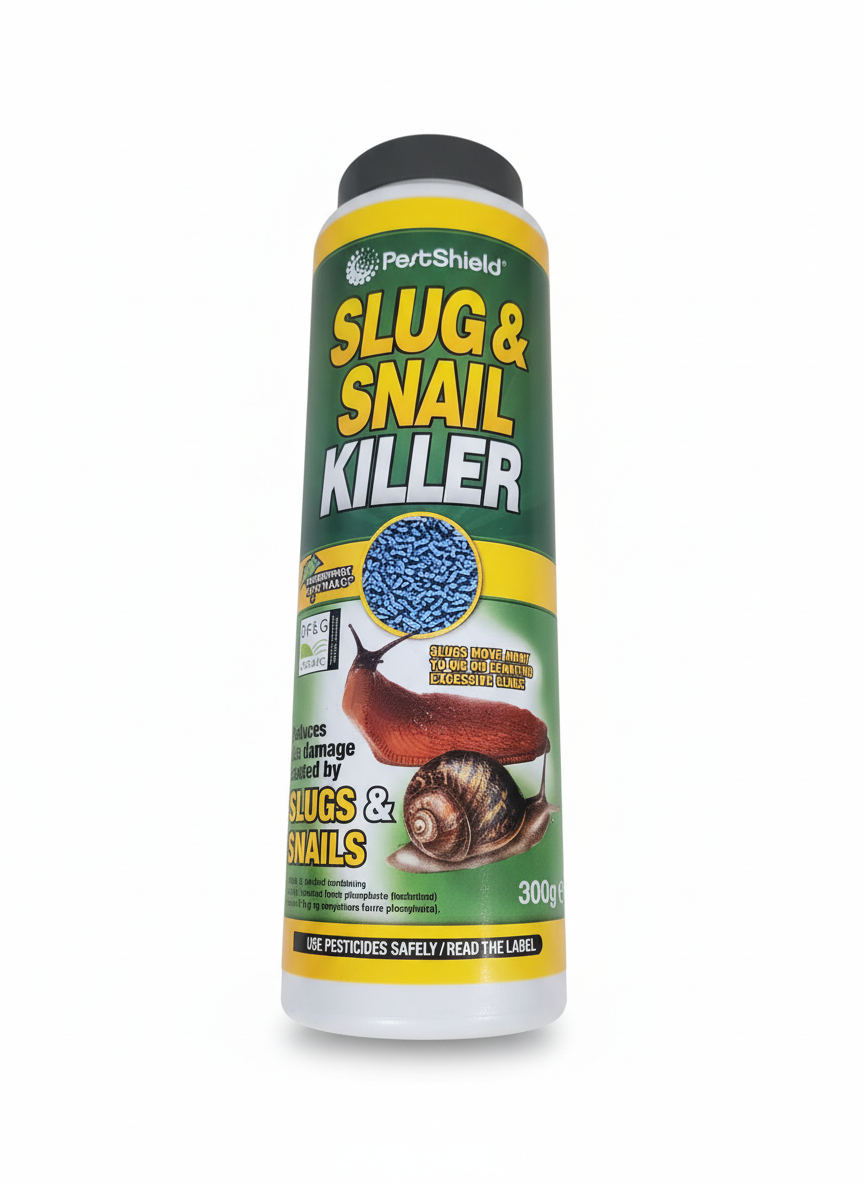
Slugs and snails are among the most frustrating garden pests for homeowners and gardeners. They can damage vegetables, flowers, seedlings and ornamental plants, often feeding at night when they are difficult to spot.
For gardeners in Northern Ireland, damp conditions can make slug and snail activity particularly noticeable. When plants start showing holes or disappearing overnight, the question is often the same: should you use natural methods or traditional slug and snail control products?
The answer depends on your garden, the severity of the problem and your priorities. Both approaches have advantages, and in many situations, combining prevention with targeted control can provide the most practical results.
Why Are Slugs and Snails Difficult to Control?
Slugs and snails thrive in damp, sheltered environments. They can hide underneath pots, stones, garden debris and dense vegetation during the day before becoming active at night.
They are particularly attracted to young, tender plants. A small population can cause noticeable damage to seedlings and newly planted crops.
Common signs include:
- Irregular holes in leaves
- Damaged seedlings
- Ragged plant edges
- Silver slime trails
- Plants being eaten overnight
- Slugs or snails underneath pots and garden objects
Because activity can increase after rainfall, regular monitoring is an important part of effective control.
What Are Natural Slug and Snail Control Methods?
Natural control generally focuses on prevention, physical barriers, garden management and encouraging natural predators.
These methods can be attractive to gardeners who want to minimise the use of conventional pest control products.
1. Encourage Natural Predators
Some wildlife naturally feeds on slugs and other garden pests.
Birds, frogs, hedgehogs, ground beetles and other beneficial creatures can contribute to a healthy garden ecosystem.
Providing suitable habitats and avoiding unnecessary disturbance can encourage beneficial wildlife.
However, natural predators should not be considered a guaranteed solution for a significant infestation. They work best as part of a wider garden management strategy.
2. Remove Hiding Places
Slugs and snails prefer cool, damp places where they can shelter during the day.
Regularly remove unnecessary garden debris, fallen leaves and other materials that provide hiding places.
Check underneath:
- Plant pots
- Stones
- Wooden boards
- Garden furniture
- Dense vegetation
- Compost containers
Reducing these sheltered areas can make the garden less attractive to slugs and make active pests easier to identify.
3. Water Plants in the Morning
If possible, water your garden in the morning rather than late in the evening.
Evening watering can leave the surrounding soil and surfaces damp overnight, when slugs are more likely to be active.
Morning watering gives the surface more time to dry during the day.
4. Use Physical Barriers
Physical protection can help vulnerable plants, particularly seedlings and newly planted vegetables.
Raised beds, containers, protective covers and suitable barriers can make it harder for slugs and snails to reach plants.
The effectiveness of any barrier depends on how it is installed and maintained, so inspect protected areas regularly.
What Are Traditional Slug and Snail Control Methods?
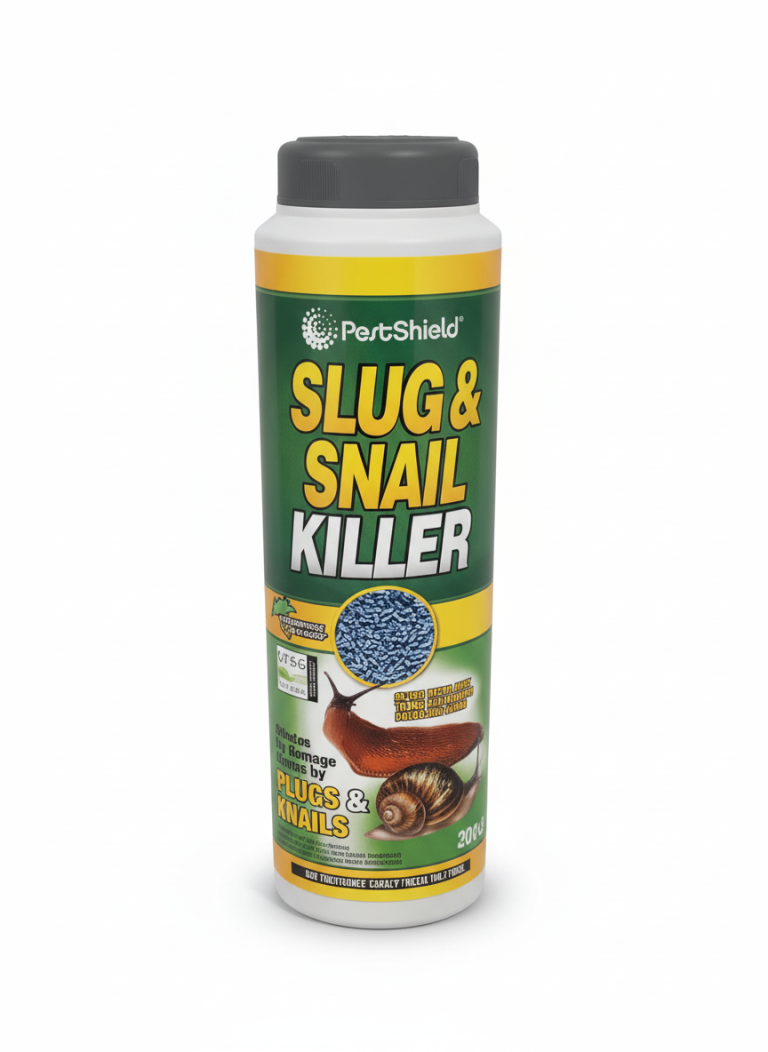
Traditional control generally involves commercially available slug & snail control products designed to reduce or manage slug and snail populations.
These products can be useful when natural methods and prevention are not enough.
The exact method varies depending on the product. Always read the manufacturer’s instructions carefully and check that the product is suitable for your intended use.
Never assume that applying more product will provide better results.
Advantages of Traditional Control
One of the main benefits is convenience.
If slugs are causing substantial damage, a suitable control product can provide a more targeted approach than relying entirely on garden management.
Traditional products may be particularly useful when:
- Plants are suffering significant damage.
- Slug numbers are increasing.
- Young plants need additional protection.
- Natural methods alone are not providing sufficient control.
- A large planting area needs to be managed.
For gardeners looking for slug and snail control products in Northern Ireland, specialist pest control suppliers can provide different options depending on the situation.
Natural vs Traditional: Which Is Better?
There is no universal winner.
Natural methods are particularly useful for prevention and long-term garden management. They can help make the garden less attractive to slugs while supporting biodiversity.
Traditional products can be useful when pest activity is high and plants are already being damaged.
Rather than viewing the two approaches as completely separate, gardeners can combine them.
For example, you could:
- Remove unnecessary hiding places.
- Improve watering practices.
- Protect vulnerable plants.
- Encourage beneficial wildlife.
- Monitor slug activity.
- Use an appropriate control product if activity remains high.
This integrated approach can provide a more practical solution than relying on one method alone.
Which Method Is Best for Vegetable Gardens?
Vegetable gardens often contain young plants that are particularly vulnerable to slug damage.
Start with preventative measures. Keep the area tidy, inspect plants regularly and remove obvious hiding places.
If significant damage continues, an appropriate slug and snail control product may provide additional protection.
Always check the product label before applying anything to areas where edible crops are being grown. Follow all instructions concerning application, harvesting and safe use.
Which Method Is Best for Flower Gardens?
Flower gardens can also benefit from a combination of methods.
Removing excessive debris, monitoring plants and encouraging natural predators can help reduce pest pressure.
If ornamental plants continue to suffer heavy damage, a suitable control product may be considered.
The best approach will depend on the plants being grown, the size of the affected area and the level of slug activity.
What About Northern Ireland’s Weather?
Weather can have a major influence on slug and snail activity.
Periods of cool, damp and wet weather can create favourable conditions for these pests. After rainfall, gardeners may notice increased activity around plants, paths and sheltered areas.
This makes regular inspection especially useful.
Instead of waiting until plants have already suffered substantial damage, check your garden following wet weather and look for slime trails or feeding damage.
Early intervention is usually easier than dealing with a well-established pest problem.
How to Choose the Right Slug & Snail Control Products
If you decide that a traditional product is appropriate, consider the following before purchasing:
- What type of pest are you dealing with?
- Which plants need protection?
- How large is the affected area?
- Is the product suitable for edible crops?
- What application instructions does the manufacturer provide?
- Are there specific precautions relating to pets or wildlife?
- How should the product be stored?
Always read the label carefully before use.
Pest Control Shop NI provides pest control products and equipment for different pest management requirements, making it easier to explore options based on the specific problem you are trying to solve.
Are Natural Methods Enough for a Serious Infestation?
Natural methods can be very useful, but they may not always be enough when slug numbers are high.
If plants are being damaged repeatedly despite improving garden conditions, additional control measures may be necessary.
The most effective approach is often to combine prevention with targeted intervention rather than abandoning natural methods altogether.
For example, continuing to remove hiding places and improve garden conditions while using an appropriate control product can help address both the immediate problem and the factors encouraging slug activity.
A Balanced Approach to Slug Control
For many gardeners, the best solution is neither entirely natural nor entirely traditional.
An integrated approach could look like this:
Prevent → Monitor → Protect → Control → Review
First, make the garden less attractive to slugs. Then monitor activity and protect vulnerable plants. If the problem continues, consider an appropriate control product. Finally, review whether the measures have reduced plant damage.
This approach allows you to use pest control products when they are genuinely needed while maintaining good garden management practices.
Final Thoughts
So, natural vs traditional slug and snail control: which works best?
The answer depends on your circumstances.
Natural methods are excellent for prevention, habitat management and encouraging a healthier garden ecosystem. Traditional slug & snail control products can provide additional support when pest numbers are high or plant damage is significant.
For many Northern Ireland gardens, combining both approaches is likely to be the most practical strategy.
Regular monitoring, sensible watering, removing hiding places and protecting vulnerable plants should form the foundation of your approach. When these measures are not enough, choose an appropriate product and always follow the manufacturer’s instructions. If you’re looking for pest management solutions, Pest Control Shop NI can be a useful source for exploring suitable products and equipment for garden pest control.
Frequently Asked Questions
Are natural slug control methods effective?
Yes, natural methods can help reduce slug activity, particularly when used as part of a wider prevention strategy. However, they may not be sufficient for every infestation.
What is the best natural way to control slugs?
Removing hiding places, improving watering practices, protecting vulnerable plants and encouraging natural predators can all help reduce slug activity.
Are traditional slug control products effective?
Suitable products can help manage slug populations when used correctly. Always select a product appropriate for your intended application and follow the manufacturer’s instructions.
Can I use slug control products around vegetables?
Some products may be suitable for use around edible crops, while others may not be. Always check the product label carefully before use and follow all instructions relating to edible plants.
When are slugs most active?
Slugs are generally more active during damp conditions, particularly after rainfall and during the evening or overnight.
How can I stop slugs eating seedlings?
Protect seedlings with suitable physical barriers, keep surrounding areas tidy, monitor plants regularly and consider an appropriate slug control product if damage continues.
Are slugs beneficial to the garden?
Some slugs contribute to decomposition and the wider ecosystem. However, certain species can cause significant damage to cultivated plants, so managing problematic populations may be necessary.
What is the best approach to slug control in Northern Ireland?
A combination of prevention, regular monitoring, physical protection and appropriate slug & snail control products can provide an effective approach. Weather conditions should also be considered because damp periods can increase slug activity.