FREE Delivery Across the UK & Ireland


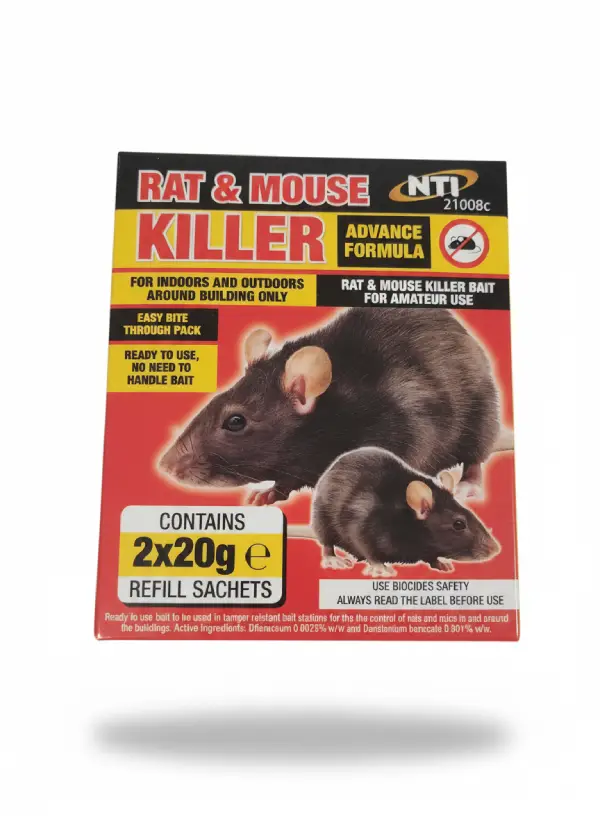
Mice and rats can become a serious nuisance when they find their way into a home, workplace, garage, farm building or other property. Because rodents are mostly active when people are less likely to see them, an infestation can sometimes develop before the first mouse or rat is spotted.
Recognising the early warning signs can make mouse and rat control much easier. Droppings, gnaw marks, unusual noises and damaged food packaging are all potential indicators that rodents may be nearby.
If you suspect an infestation, acting promptly can help prevent the problem from becoming more difficult to manage.
Why Are Mice and Rats a Problem?
Mice and rats can cause more than just annoyance. They can contaminate food, damage materials and create hygiene concerns.
Rodents have strong teeth that continue to grow, so they naturally gnaw on a variety of materials. In buildings, this can include cardboard, wood, plastic and, in some situations, electrical cables.
They can also reproduce quickly when they have reliable access to food, water and shelter. This means a small problem can potentially develop into a much larger infestation if it is not addressed.
For homeowners and businesses, early detection is therefore an important part of effective rodent management.
1. Droppings
One of the most common signs of mice or rats is the presence of droppings.
Mouse droppings are typically small and narrow, while rat droppings are generally larger. You may find them in cupboards, along walls, behind appliances, inside storage areas or near food sources.
Fresh droppings may indicate recent activity, while older droppings can suggest that rodents have previously been present.
When cleaning areas where rodent droppings have been found, take appropriate hygiene precautions and avoid handling them unnecessarily.
2. Gnaw Marks
Rodents need to gnaw regularly, which can leave visible marks around a property.
Look for signs of chewing on:
- Food packaging
- Cardboard boxes
- Wooden surfaces
- Plastic containers
- Door frames
- Cables and wiring
- Other stored materials
Fresh gnaw marks may be lighter in colour than older marks.
If you discover damaged electrical wiring, do not attempt to repair it yourself unless you are suitably qualified. Rodent damage to cables can create potential safety issues.
3. Scratching and Scurrying Noises
Hearing scratching, squeaking or movement sounds can be another warning sign.
Rodents are often most active at night, so unusual noises from walls, ceilings, loft spaces or cupboards may become more noticeable after dark.
However, noises alone do not prove that mice or rats are present. Other animals, building movement and plumbing can sometimes create similar sounds.
Look for additional signs to confirm suspected activity.
4. Nests and Nesting Materials
Mice and rats may create nests in warm, sheltered locations using materials they can easily access.
Potential nesting materials include:
- Shredded paper
- Cardboard
- Fabric
- Insulation
- Dried plant material
- Other soft materials
Check quiet, undisturbed areas such as lofts, cupboards, behind appliances and storage spaces.
If you discover a suspected nest, avoid disturbing it unnecessarily until you have considered the appropriate control approach.
5. Greasy Marks Along Walls
Rodents frequently travel close to walls and other edges.
Repeated movement can leave dark or greasy marks where their bodies come into contact with surfaces. These marks may be particularly noticeable around frequently used routes.
Look along skirting boards, behind appliances and near holes or gaps that could provide access.
6. Unusual Smells
A persistent musky or unpleasant smell can sometimes indicate rodent activity, particularly in enclosed spaces.
Strong odours may also occur when a rodent has died in an inaccessible location.
Because smells can have many different causes, use them alongside other evidence rather than treating an unusual odour as definite proof of an infestation.
7. Damaged Food Packaging
Finding holes or chew marks in food packaging is a common warning sign.
Rodents are attracted to accessible food, so inspect cupboards and storage areas regularly. Look for torn packaging, scattered food or small droppings near food storage.
Store food in sealed, rodent-resistant containers wherever practical and clean up spills promptly.
How Do Mice and Rats Enter Buildings?
Rodents can enter through surprisingly small gaps.
Potential entry points include:
- Gaps around doors
- Holes around pipes
- Cracks in walls
- Damaged vents
- Gaps around cables
- Roof openings
- Broken drains
- Gaps beneath external doors
Inspect the exterior of your property for potential access points. Sealing these openings can form an important part of long-term rodent prevention.
How to Deal With a Mouse or Rat Problem
Once you identify signs of rodent activity, take action rather than waiting for the problem to disappear.
Improve Food Storage
Keep food in sealed containers and avoid leaving food exposed overnight.
Pay particular attention to pet food, bird food and other materials that can provide an easily accessible food source.
Keep Waste Secure
Use properly closed bins and dispose of food waste regularly.
Outdoor bins should ideally be positioned away from entrances and kept securely closed.
Remove Clutter
Clutter provides rodents with additional places to hide and nest.
Keep storage areas organised and avoid allowing cardboard, paper and other materials to accumulate unnecessarily.
Seal Potential Entry Points
Inspect your building for gaps and openings.
Depending on the location and size of the gap, suitable materials may include rodent-resistant mesh, sealants or other appropriate building materials.
Simply blocking an obvious hole without considering whether rodents are already inside may not solve the problem, so assess the situation carefully.
Choosing Mouse & Rat Control Products
If you have confirmed rodent activity, appropriate mouse & rat control products can form part of an effective pest management plan.
The right approach depends on the location, size and severity of the infestation. Traps and other control products may be suitable in some circumstances, while larger or persistent infestations may require professional pest control.
Always read product instructions carefully and follow all safety requirements. Products should be positioned and used in a way that reduces risks to children, pets and non-target animals.
For homeowners and businesses looking for mouse & rat control products in Northern Ireland, specialist suppliers can provide different options for managing rodent problems.
Pest Control Shop NI offers pest control products and equipment for a range of common pest problems, helping customers identify suitable solutions for their specific needs.
When Should You Call a Professional?
A professional pest controller may be appropriate if:
- You continue finding fresh droppings.
- Rodent activity is increasing.
- You hear frequent movement inside walls or ceilings.
- You discover a nest.
- DIY control methods have not worked.
- Rodents are affecting a commercial or food-related environment.
- You cannot identify how rodents are entering the property.
Professional pest controllers can assess the property, identify potential entry points and recommend an appropriate control strategy.
How to Prevent Future Infestations
Once a rodent problem has been addressed, prevention is essential.
Regularly inspect your property for new gaps and damage. Keep food stored securely and maintain good standards of cleanliness.
Pay particular attention to outbuildings, garages, sheds and other areas that may be less frequently inspected.
Trim vegetation where it is growing directly against buildings, keep storage areas organised and avoid leaving food waste accessible.
Prevention is often easier than dealing with an established infestation.
Final Thoughts
Mice and rats rarely announce their presence, but they often leave clues behind. Droppings, gnaw marks, nesting materials, unusual noises, damaged food packaging and greasy marks can all indicate possible rodent activity.
The sooner you recognise these signs, the sooner you can investigate the cause and take appropriate action.
Good hygiene, secure food storage, property maintenance and suitable mouse and rat control methods can all help reduce the risk of an infestation.
If you are dealing with an ongoing rodent problem, Pest Control Shop NI can be a useful source for exploring suitable pest control products and equipment. For serious or persistent infestations, consider getting advice from a qualified pest control professional.
Frequently Asked Questions
What is the first sign of a mouse infestation?
Droppings are often one of the first noticeable signs. You may also find gnaw marks, damaged food packaging or hear scratching and movement, particularly at night.
How can I tell if I have rats or mice?
The size of droppings and gnaw marks can provide clues. Rats generally leave larger droppings and cause larger signs of damage than mice. A professional inspection can provide a more reliable identification.
Where do mice usually hide?
Mice often hide in quiet, sheltered areas such as cupboards, loft spaces, behind appliances, wall cavities and storage areas.
Can mice and rats get through small gaps?
Yes. Mice in particular can enter through surprisingly small openings. Inspect gaps around doors, pipes, vents, cables and other potential entry points.
What attracts mice and rats to a property?
Accessible food, water, warmth and shelter can attract rodents. Poor waste storage, exposed food, clutter and structural gaps can increase the risk of an infestation.
Are mouse and rat control products safe?
Safety depends on the specific product and how it is used. Always read the manufacturer’s instructions and follow guidance relating to placement, handling, storage and protection of children, pets and non-target animals.
How long does it take to get rid of mice or rats?
It varies depending on the size of the infestation, access to food and shelter, entry points and the control methods being used. Persistent infestations may require professional assessment.
How can I stop mice and rats coming back?
Seal potential entry points, store food securely, keep waste containers closed, reduce clutter and regularly inspect your property for signs of renewed activity.